
Online Grocery Shopping Pakistan with Cash on Delivery
In Pakistan, grocery prices continue to rise due to inflation, making it harder for families to manage monthly expenses. Food items like flour, oil, rice, vegetables, and dairy products now take a large portion of household income. Many families feel that even basic shopping is becoming expensive.
Skip the market rush. Buy all your groceries online at Adscarry.com with 100% cash on delivery across Pakistan. From Atta 10kg and Basmati Rice 5kg to cooking oil, dal, ghee, tea, and baby diapers — get everything delivered to your doorstep. We offer the lowest grocery prices in Pakistan with same-day delivery in Gujranwala, Lahore, and Karachi. Why choose Adscarry over others? Fresher stock, no hidden charges, and free delivery on orders above Rs. 2,000. Shop monthly rashan, Ramzan bundles, or daily essentials. Pay only when you receive. Order your groceries online now.
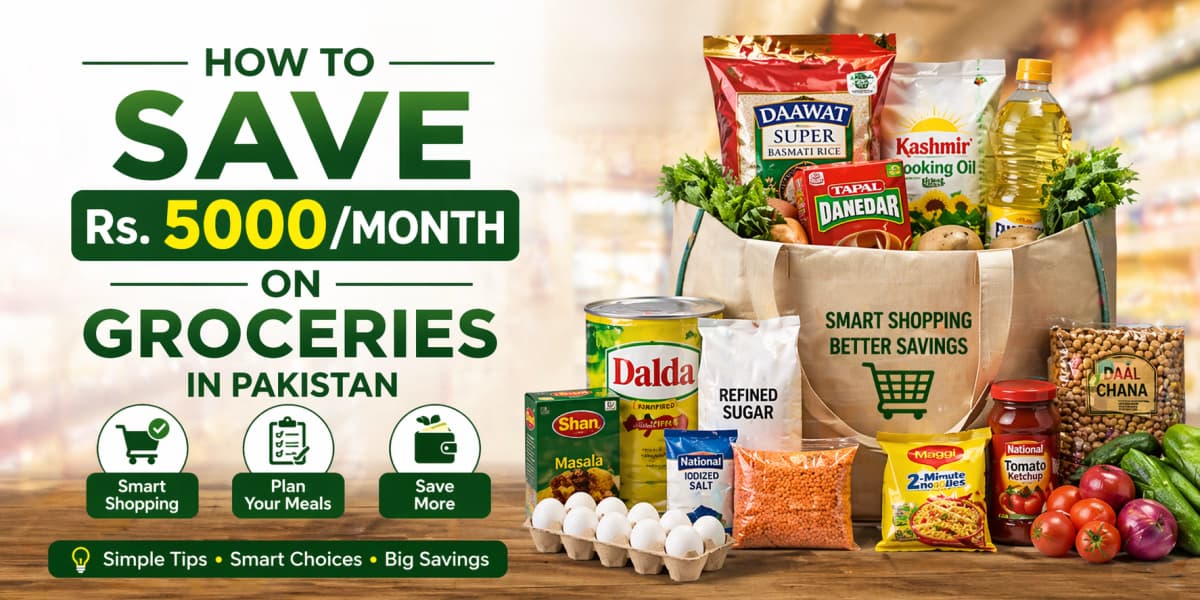
However, the good news is that with smart planning and disciplined shopping habits, it is very realistic to save Rs. 5000 or more every month on groceries without compromising on quality or nutrition. Research and budgeting experts consistently highlight that most savings come not from buying less food—but from buying smarter, planning better, and reducing waste .
This guide explains practical, local, and actionable strategies tailored for Pakistani households.
1. Start with a Monthly Grocery Budget
The first step to saving money is knowing where it is going.
Most households overspend simply because they don’t track expenses. A simple monthly budget helps you control unnecessary spending and identify leaks.
Break your budget into categories:
Staples (flour, rice, oil)
When you assign limits to each category, you automatically reduce overspending. Experts note that budgeting is the foundation of all financial control in household spending .
2. Always Shop with a Proper Grocery List
One of the biggest reasons for overspending is impulse buying.
Before going to the store:
Check kitchen stock
Plan meals for the week
Write a strict shopping list
Studies show that shopping without a list often leads to unnecessary purchases and food waste, which increases total spending significantly .
A disciplined list can easily save Rs. 1000–1500 per trip.
3. Prefer Local Markets Over Supermarkets
In Pakistan, local bazaars often offer significantly lower prices compared to branded supermarkets.
For example:
Vegetables in local markets are usually cheaper
Fruits are fresher and negotiable
Bulk buying gives extra discounts
Buying from weekly bazaars and negotiating prices can reduce grocery costs by 15–30% depending on your location.
This alone can contribute heavily toward saving Rs. 5000 monthly.
4. Buy in Bulk for Staples (Smartly)
Staple items like:
are cheaper when bought in bulk.
However, bulk buying should be strategic:
Only buy what you actually consume
Avoid perishable bulk items unless you can store them properly
Compare price per kg instead of package price
Smart bulk buying reduces repeat trips and saves transportation cost as well.
5. Reduce Food Waste at Home
Food waste is hidden expense.
Many households throw away:
Vegetables that spoil
Leftover cooked food
Expired items
In fact, families can lose up to 20–30% of purchased food due to waste. Planning meals properly and storing food correctly ensures everything is used efficiently.
Simple habits:
Cook in smaller portions
Store leftovers properly
Freeze extra food
This alone can save Rs. 1000–2000 monthly.
6. Choose Seasonal Fruits and Vegetables
Seasonal produce is always cheaper and fresher.
For example:
Summer vegetables cost less in summer
Winter fruits are cheaper in winter
Avoid out-of-season items because they are imported or stored, making them expensive.
Switching to seasonal buying can reduce vegetable bills by 20% easily.
7. Avoid Branded Overbuying
Many people believe branded items are always better, but in reality:
Generic products often have similar quality
Packaging and branding increase price
Local alternatives are often cheaper and effective
Switching even 30–40% of your groceries to non-branded options can significantly reduce monthly costs.
8. Shop Once a Week Instead of Daily
Daily or frequent shopping leads to:
Extra transportation cost
Unplanned purchases
Emotional buying
Weekly shopping helps you:
Stick to a plan
Reduce impulse spending
Better manage inventory at home
This habit alone can save Rs. 1000+ per month.
9. Use Discounts, But Don’t Over-Buy
Discounts and offers can help—but only if used wisely.
Avoid:
Buying unnecessary items just because they are “on sale”
Stockpiling items you don’t need
Instead:
Buy only what is already on your list
Compare prices before buying
Smart discount usage adds extra savings without waste.
10. Cook at Home More Often
Eating outside is one of the biggest budget killers.
Home-cooked meals are:
Healthier
Cheaper
More controllable
Even reducing outside food by 2–3 meals per week can save a significant amount monthly.
Final Thoughts
Saving Rs. 5000 per month on groceries in Pakistan is completely achievable with disciplined habits. The key is not extreme restriction, but smarter planning:
Budget your spending
Shop with lists
Buy smart from local markets
Reduce waste
Avoid impulse buying
When combined, these small changes create a powerful impact on your monthly household expenses.
Over time, these habits don’t just save money—they give you better financial control and peace of mind in a rising inflation environment.
Leave a Comment
Your comment will be posted after review.