
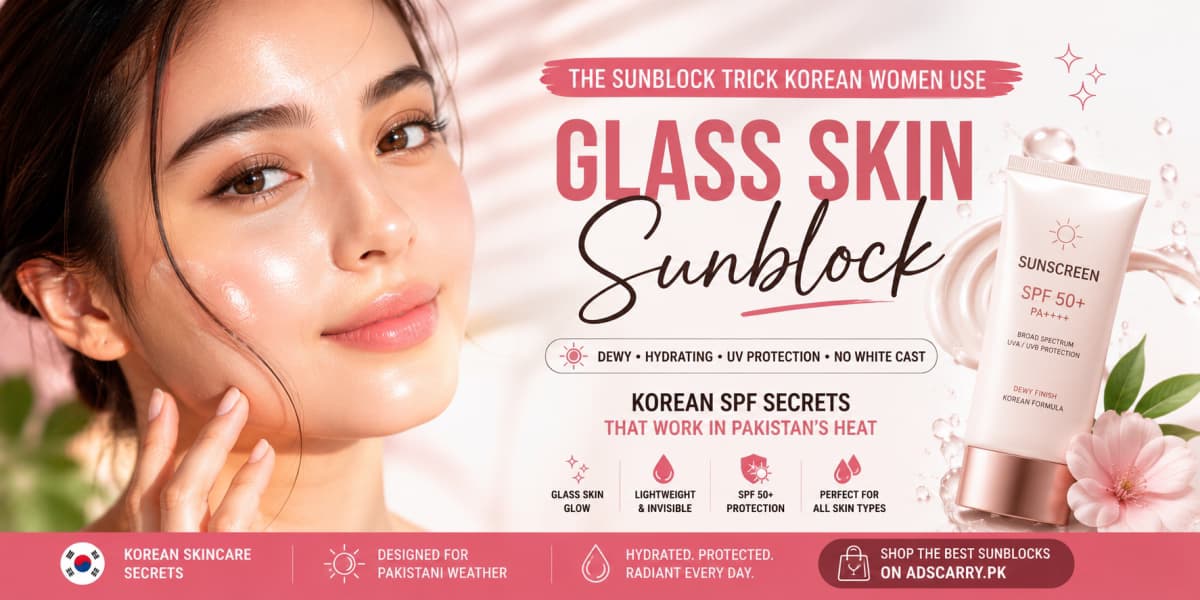

The Sunblock Trick Korean Women Use to Get Glass Skin — And It Works in Pakistan's Heat
For years, the Korean beauty industry has inspired skincare lovers around the world with one iconic goal: glass skin. It is a complexion that looks smooth, deeply hydrated, radiant, and almost reflective, as though light naturally bounces off healthy skin.
Social media platforms are filled with videos showcasing luminous complexions, lightweight skincare routines, and glowing finishes that have made "glass skin" one of the biggest beauty trends of 2026.
Many people assume that serums, essences, or moisturizers are the only secrets behind this look. In reality, one overlooked product plays an equally important role:
Sunblock.
Without the right sunscreen, achieving glass skin becomes much more difficult, especially in Pakistan's climate. Heavy formulas, white casts, greasy textures, and unsuitable finishes can make even the best skincare routine appear dull or uneven.
The good news is that you don't need to live in Seoul to achieve healthy, radiant skin. By choosing the right sunblock and applying it correctly, you can enjoy a luminous finish while protecting your skin from Pakistan's intense UV exposure.
What Is Glass Skin?
Glass skin is a skincare goal rather than a single product or treatment.
It describes skin that appears:
Smooth
Even-toned
Intensely hydrated
Healthy
Naturally radiant
Free from dryness and rough texture
Unlike heavy makeup trends, glass skin focuses on improving skin health first. Makeup, if used, is typically lightweight and designed to enhance the natural glow rather than cover it.
Why Sunblock Is the Missing Step in Most Glass Skin Routines
Many skincare enthusiasts spend significant amounts on cleansers, toners, vitamin C serums, niacinamide, moisturizers, and overnight masks.
Then they finish their morning routine with the wrong sunscreen.
A sunscreen that leaves a chalky white cast, dries the skin excessively, or pills under makeup can instantly reduce the fresh, luminous appearance they worked so hard to create.
Dermatologists consistently emphasize that sunscreen is one of the most important daily skincare products because UV exposure contributes to:
Hyperpigmentation
Uneven skin tone
Premature wrinkles
Loss of collagen
Sun spots
Skin dehydration
Reduced elasticity
These concerns directly oppose the smooth, radiant appearance associated with glass skin.
Pakistan's Climate Makes Sunblock Even More Important
Pakistan experiences intense sunlight for much of the year.
Cities including Karachi, Lahore, Multan, Hyderabad, Faisalabad, and Islamabad frequently record UV Index levels classified as Very High or Extreme during summer.
Combined with temperatures that can exceed 45°C, heat, humidity, sweat, and pollution place additional stress on the skin.
Without daily sun protection, UV exposure can gradually lead to pigmentation and uneven texture, making it much harder to maintain a healthy glow.
The Korean Approach to Glass Skin
Korean skincare routines are often associated with multiple lightweight layers instead of one heavy cream.
A simplified routine usually includes:
Gentle cleanser
Hydrating toner
Essence
Serum
Lightweight moisturizer
Broad-spectrum SPF 50+ sunscreen
Notice that sunscreen is not an optional finishing touch. It is considered an essential step for protecting the results of the entire routine.
Why Some Sunblocks Ruin the Glass Skin Look
Not every sunscreen is designed with hydration and radiance in mind.
Common issues include:
Thick Texture
Heavy creams can sit on top of the skin and make it appear greasy instead of naturally luminous.
White Cast
Some formulations leave a visible white layer, particularly on medium to deep skin tones.
This can make the complexion appear dull in daylight and in photographs.
Pilling
When sunscreen rolls into small flakes after applying skincare or makeup, the smooth finish associated with glass skin disappears.
Matte Finish
Matte sunscreens are useful for some skin types, but an overly flat finish can reduce the fresh, hydrated appearance that defines glass skin.
What Makes a Good Glass Skin Sunblock?
If your goal is healthy-looking, glowing skin, look for sunscreens with these qualities:
Broad-spectrum UVA and UVB protection
SPF 50 or higher
Lightweight texture
Invisible finish
No white cast
Hydrating ingredients
Fragrance suitable for your skin type
Comfortable daily wear
Compatibility with makeup
Ingredients such as hyaluronic acid, glycerin, panthenol, ceramides, and squalane can also help support hydration.
Dewy Finish vs Matte Finish
This is one of the biggest differences between traditional sunscreens and products often recommended in Korean-inspired routines.
Matte Sunscreens
Best for:
Very oily skin
High humidity
Sports activities
Advantages:
Shine control
Oil reduction
Long wear
Dewy Sunscreens
Best for:
Dry skin
Normal skin
Combination skin
Glass skin routines
Advantages:
Healthy glow
Hydrated appearance
Natural finish
People with oily skin can still achieve a glass skin effect by using lightweight dewy sunscreens followed by strategic powder only where needed.
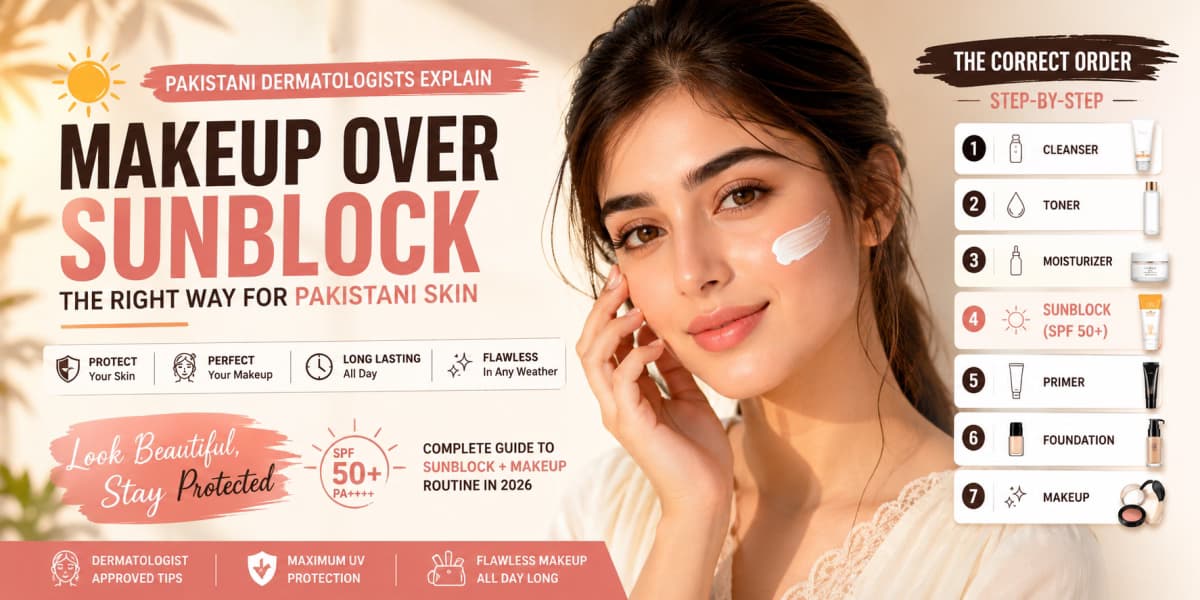
The Correct Morning Routine for Glass Skin
A consistent routine is more important than using dozens of products.
Step 1
Gentle cleanser
Step 2
Hydrating toner
Step 3
Essence (optional)
Step 4
Hydrating serum
Step 5
Light moisturizer
Step 6
SPF 50+ sunscreen
Wait 10–15 minutes before applying makeup.
Step 7
Tinted moisturizer, skin tint, or lightweight foundation if desired.
Can You Wear Makeup Without Losing the Glass Skin Effect?
Yes.
Many Korean makeup artists recommend using minimal complexion products so the natural glow remains visible.
Instead of heavy coverage, choose:
Lightweight foundation
Cushion foundation
BB cream
Skin tint
Liquid highlighter used sparingly
Avoid thick layers that hide your skin's natural radiance.
Common Mistakes Preventing Glass Skin
Skipping Sunscreen
The fastest way to undo months of skincare progress.
Using Too Many Products
Layering ten heavy products can overwhelm the skin.
Over-Exfoliating
Exfoliating too frequently can damage the skin barrier.
Ignoring Hydration
Healthy skin needs moisture both inside and outside.
Drink enough water and use hydrating skincare.
Sleeping with Makeup
Nighttime cleansing is essential for maintaining smooth skin.
Does Glass Skin Mean Oily Skin?
No.
Healthy skin can appear luminous without looking greasy.
The difference lies in balance.
Glass skin reflects light because it is smooth and hydrated, not because it is covered in excess oil.
Glass Skin in Pakistan's Summer
High temperatures create unique challenges.
To keep skin looking fresh:
Choose lightweight skincare.
Avoid heavy creams during the day.
Use breathable makeup.
Reapply sunscreen every two hours if outdoors.
Carry blotting papers instead of adding multiple powder layers.
Stay hydrated.
These habits help preserve both skin health and makeup.
Ingredients That Support Glass Skin
Look for products containing:
Hyaluronic Acid
Niacinamide
Panthenol
Ceramides
Glycerin
Centella Asiatica
Green Tea Extract
Rice Extract
Squalane
These ingredients help maintain hydration and support a smoother-looking complexion.
Choosing the Right Sunblock for Your Skin Type
Oily Skin
Look for:
Lightweight gel formulas
Non-comedogenic products
Oil-control ingredients
Dry Skin
Choose:
Hydrating cream sunscreens
Moisture-rich formulas
Sensitive Skin
Mineral sunscreens with zinc oxide or titanium dioxide may be better tolerated by some individuals.
Combination Skin
A lightweight lotion with a natural finish often works well.
Can One Product Give You Glass Skin?
No.
Glass skin is the result of consistent skincare, healthy habits, and daily sun protection.
No single sunscreen, serum, or moisturizer can instantly transform the skin overnight.
Products can improve hydration and appearance, but lasting results come from regular care over time.
Building Your Glass Skin Routine
If you're shopping for products, consider adding:
Gentle cleanser
Hydrating toner
Hyaluronic acid serum
Niacinamide serum
Lightweight moisturizer
SPF 50+ sunscreen
Lip balm with SPF
You can also explore Korean-inspired skincare products, hydrating serums, and broad-spectrum sunscreens from trusted sellers on AdsCarry to build a routine that suits your skin type and Pakistan's climate.
Final Thoughts
The secret behind glass skin isn't just expensive serums or viral skincare trends. Consistent daily sun protection is one of the most important habits for maintaining a smooth, healthy-looking complexion.
Choosing a lightweight, broad-spectrum sunscreen that works well with your skin type can help preserve hydration, reduce the appearance of pigmentation over time, and create the radiant finish associated with the glass skin trend.
Combined with gentle cleansing, hydration, and a balanced skincare routine, the right sunblock becomes more than just protection from UV rays. It becomes an essential step toward healthier, glowing skin that looks beautiful in every season, including Pakistan's hottest summer days.
Frequently Asked Questions
What is glass skin?
Glass skin refers to skin that appears smooth, hydrated, even-toned, and naturally radiant rather than heavily covered with makeup.
Does sunscreen help achieve glass skin?
Yes. Daily sunscreen protects against UV damage that can contribute to pigmentation, uneven tone, and premature aging, helping maintain healthier-looking skin over time.
Which sunscreen finish is best for glass skin?
Many people seeking a glass skin look prefer lightweight sunscreens with a natural or dewy finish that provide hydration without leaving a white cast.
Can oily skin achieve glass skin?
Yes. Oily skin can still achieve a healthy glow by using lightweight hydrating products and controlling excess oil where needed.
Should sunscreen be applied before makeup?
Yes. Sunscreen should be the final step of your skincare routine and applied before primer or foundation.
Can I use Korean sunscreen in Pakistan?
Many Korean sunscreens are suitable for everyday use in Pakistan, provided they offer broad-spectrum protection and an SPF appropriate for local UV conditions.
How often should sunscreen be reapplied?
If you are outdoors, dermatologists generally recommend reapplying sunscreen every two hours or after heavy sweating or swimming.


Leave a Comment
Your comment will be posted after review.